Deck Building: What to Expect From Professional Deck Builder Services
When exploring the offerings of a professional deck builder, homeowners can expect a structured method to transforming their outdoor spaces. From the initial consultation to the final touches, each phase is intended to guarantee adherence to local standards and quality. Being aware of what lies ahead can facilitate a smoother journey and improve overall results. Yet, clients frequently feel uncertain about their duties and expectations throughout this journey. What should homeowners be aware of before embarking on this venture?
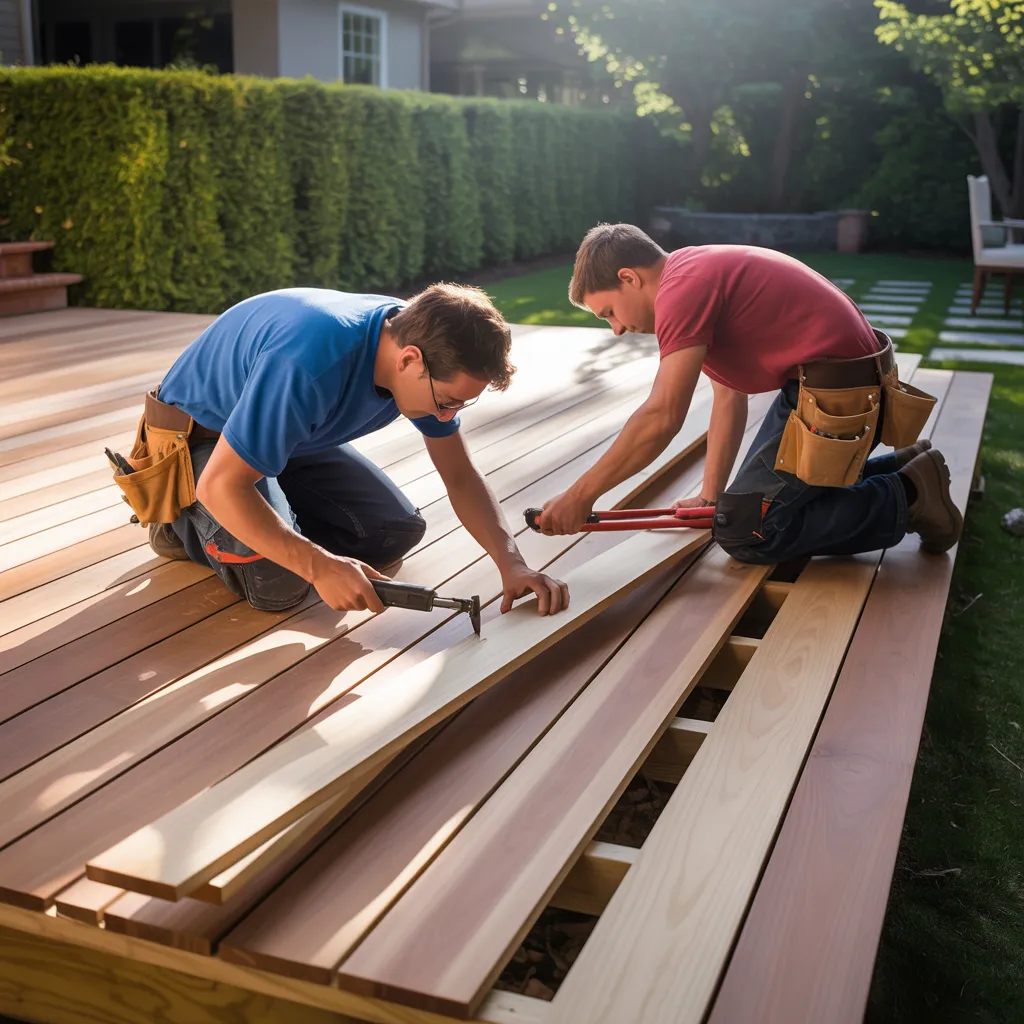
What a Professional Deck Builder Does
A talented professional deck builder is instrumental in improving outdoor spaces. Their knowledge encompasses construction, design, and material selection, guaranteeing that each undertaking fulfills the client's vision and applicable regulations. By analyzing the individual attributes of a property, they are able to suggest fitting design options that improve functionality and aesthetics.
These skilled specialists are proficient in managing the entire building process, working closely with suppliers, and keeping to strict timelines. They possess a deep understanding of various materials, from wood to composite, equipping them to counsel clients on durability and maintenance.
Additionally, a deck builder guarantees structural stability, enforcing protective measures that comply with local building codes. Their knowledge minimizes frequent mistakes, delivering a seamless construction process and a favorable end result. At the end of the day, a experienced deck builder not only develops practical outdoor living areas but also adds significant value to a property through meticulous design and skilled craftsmanship.
What to Anticipate in Your Initial Consultation
During the initial consultation, clients will experience a detailed discussion of their project goals, giving the builder insight into their expectations. Furthermore, choices related to design features will be examined to confirm alignment between the client's desires and the builder's expertise. This essential meeting lays the groundwork for a smooth deck-building experience.
Overview of Project Objectives
When clients engage in a preliminary consultation for deck construction services, they can expect a thorough discussion aimed at clarifying the goals and preferences of the project. This discussion generally starts with clients sharing their ideas for the deck, including intended uses such as entertaining or relaxation. Professionals will inquire about particular features, preferred materials, and financial limitations. Furthermore, they will often cover relevant local codes or property factors that could impact the project. By actively listening to the clients' needs and expectations, the professional can confirm alignment between the planned work and the client's goals. Defining these fundamental goals is critical for an effective collaboration, ultimately guiding the design and construction process that follows.
Exploring Design Preferences
What is the best way for clients to convey their design preferences during the first consultation for deck building services? Clients are encouraged to arrive with ideas, sketches, or photos that capture their vision for the deck. Sharing specific styles—such as modern, rustic, or traditional—can help builders understand aesthetic preferences. It is equally important to talk about how the deck will be used, such as for entertaining, relaxation, or family gatherings. Clients should consider materials, colors, and features like railings or lighting, as these elements greatly influence the final design. Maintaining open communication is key; posing questions and remaining open to the builder's recommendations can result in a more personalized outcome. This cooperative method ensures that both the client and builder are in agreement on the vision and practical details of the project.
What Role Should You Play in the Deck Building Process?
What position should one take in the deck construction process? Homeowners should adopt a proactive yet cooperative approach, working alongside experienced contractors while clearly communicating needs and preferences. This engagement confirms that the completed structure aligns with personal vision and practical requirements.
To begin, home improvement planners should seek inspiration and develop a list of desired features, including shape, materials, and functionality. In doing so, they give builders with a solid foundation for design conversations.
Furthermore, it is crucial to remain open to professional insights. Contractors often bring useful expertise regarding building soundness, local regulations, and cost-effectiveness.
Finally, homeowners need to determine a budget and schedule in the early stages, facilitating transparent communication and setting realistic expectations. By balancing their vision with expert guidance, homeowners can make a significant contribution to constructing a deck that transforms their outdoor living environment.
How to Transform Your Design Concepts Into Reality
Transforming design concepts into reality demands a well-planned strategy connecting creativity and implementation. Initially, it is essential to clarify the vision, guaranteeing that all design elements align with the homeowner's desires. Professional deck builders often recommend creating detailed sketches or using 3D modeling software to visualize the final product accurately.
Furthermore, setting a achievable budget and timeline is critical. This step requires addressing likely difficulties, such as site conditions or local regulations, with the contractor to foresee and resolve any issues. Clear communication serves a fundamental purpose; regular updates and consultations guarantee the work stays true to the initial plan.
To conclude, selecting an skilled decking professional who recognizes the nuances of bringing designs to life confirms that the progression from concept to construction is effortless. Through these methods, homeowners can successfully oversee the transition of their planning ideas into a remarkable, efficient outdoor living environment.
How to Select the Best Materials for Your Deck
Selecting the right choices for a deck involves careful consideration of multiple choices, including composite and wood materials. Each selection presents notable advantages, particularly in terms of long-term performance and see this article visual appeal. Furthermore, understanding weather resistance is critical for ensuring long-lasting performance in diverse environmental conditions.
Wood and Composite Options Compared
Selecting the most suitable materials for a deck can significantly affect its durability, maintenance, and aesthetic appeal. Homeowners often face the dilemma between traditional wood and composite materials. Timber, widely preferred for its classic charm and warmth, provides a classic look but necessitates routine care, including sealing and staining. Alternatively, composite lumber, crafted from a mixture of wood fibers and plastic, offers a low-maintenance alternative that is resistant to fading and splintering. While it may come at a higher initial cost, composite materials often prove more durable over time. At the end of the day, the choice copyrights on personal preference, budget, and long-term maintenance commitments, shaping the total satisfaction achieved with the final deck.
Weather Resistance Considerations
When evaluating deck materials, weather resistance is a critical consideration that significantly impacts lifespan and effectiveness. Proper selection of materials can protect against damage caused by moisture, UV rays, and temperature fluctuations. To illustrate, composite decking frequently incorporates advanced technology to resist fading and warping, making it a great choice for varied climates. Pressure-treated wood is also available, but it demands consistent upkeep to prevent rot and insects. Moreover, tropical hardwoods, known for their natural oils, deliver outstanding protection against the elements but can be costlier. In the end, assessing the regional climate and examining the characteristics of various materials aids in identifying a deck that withstands weather conditions, guaranteeing a long-lasting and appealing outdoor area for years to come.
Building Timeline: What to Expect
How long does a typical deck construction project take? The timeline for deck construction can vary considerably based on several factors, including design complexity, material choice, and weather conditions. Generally, a straightforward deck installation may take between one to three weeks. This timeframe encompasses several phases, beginning with the preliminary consultation and design sign-off, then progressing to site preparation and sourcing of materials.
After all required permits have been secured, the construction phase gets underway. This phase includes framing, deck installation, and final details, such as handrails and staircase construction. Every stage demands meticulous attention to detail and can be affected by unanticipated disruptions, including adverse weather conditions or supply chain disruptions. Homeowners can plan for consistent updates from their deck contractors to keep track of progress and any potential adjustments to the timeline. Overall, understanding the construction timeline assists in establishing reasonable expectations for homeowners starting on a deck-building project.
Top Deck Building Challenges and How to Overcome Them
Erecting a deck introduces numerous difficulties that can test even the most skilled contractors. Of these challenges, ground preparation often proves to be a considerable obstacle. Irregular ground or poor drainage can complicate the installation process. Professionals can overcome this by conducting comprehensive inspections and applying proper leveling methods.
Another common challenge is selecting the right materials. Given the wide range of choices on the market, finding the right balance between appearance, budget, and longevity is essential. Professionals can mitigate this issue by providing clients with detailed comparisons of materials suited for specific environments.
Weather conditions also pose a challenge, as sudden rainfall or harsh temperatures may cause project delays. To tackle this issue, maintaining adaptable schedules and carefully monitoring weather forecasts proves critical.
Finally, adhering to local construction regulations and codes can be intimidating. Remaining current with these requirements and working alongside municipal officials can streamline the approval process, securing conformity and efficient project delivery.
Deck Builder-Recommended Maintenance Tips for Longevity
Successful deck construction is just the beginning of maintaining a beautiful outdoor space. Regular maintenance is essential for longevity and aesthetics. Experienced deck contractors advise periodic evaluations, looking for unstable boards, oxidized screws, or evidence of deterioration. Washing the deck a minimum of two times annually is essential; applying a mild cleaning solution and a soft-bristled brush can stop grime accumulation and mildew development.
Using a quality sealant every few years helps guard against sun and moisture damage, maintaining the wood's strength. Throughout the fall season, it's recommended to remove leaves and debris to avoid moisture buildup and possible rot.
In addition, homeowners should guarantee sufficient drainage around the deck to prevent moisture buildup. If the outdoor space is coated with paint or stain, reapplying these treatments can strengthen both appearance and durability. By following these guidelines, deck owners can benefit from their deck spaces for years to come, maximizing their outdoor enjoyment and investment.

Frequently Asked Questions
How Much Does a Professional Deck Building Service Typically Cost?
A professional deck construction service typically costs in the range of $15 to $35 per square foot, influenced by materials, design complexity, and location. Extra costs may stem from permits and custom features, affecting the overall price.
What Permits Are Needed for Deck Construction?
Typically, permits for deck construction consist of inspections, building permits, and zoning approvals, which vary by location. Property owners are advised to consult local regulations to confirm regulatory compliance and avoid construction delays or potential fines during the construction process.
Can I Make Changes During the Construction Process?
Alterations can often be made during the construction process, but they may need approval from the construction team. Alterations might impact costs, timelines, and materials, so clear communication with the construction manager is essential for a seamless transition.
Are Warranties Offered by Deck Builders on Their Work?
Most deck construction professionals include warranties on their craftsmanship, providing coverage for material and workmanship deficiencies. Such warranties often differ in length and scope, so it is important for property owners to verify the terms before construction begins.
How Long Can My Deck Last With the Right Maintenance?
With proper maintenance, a expertly built deck can last 15 to 25 years. Routine inspections, cleaning, and sealing are critical to extend its lifespan, guaranteeing structural soundness and aesthetic appeal over time.